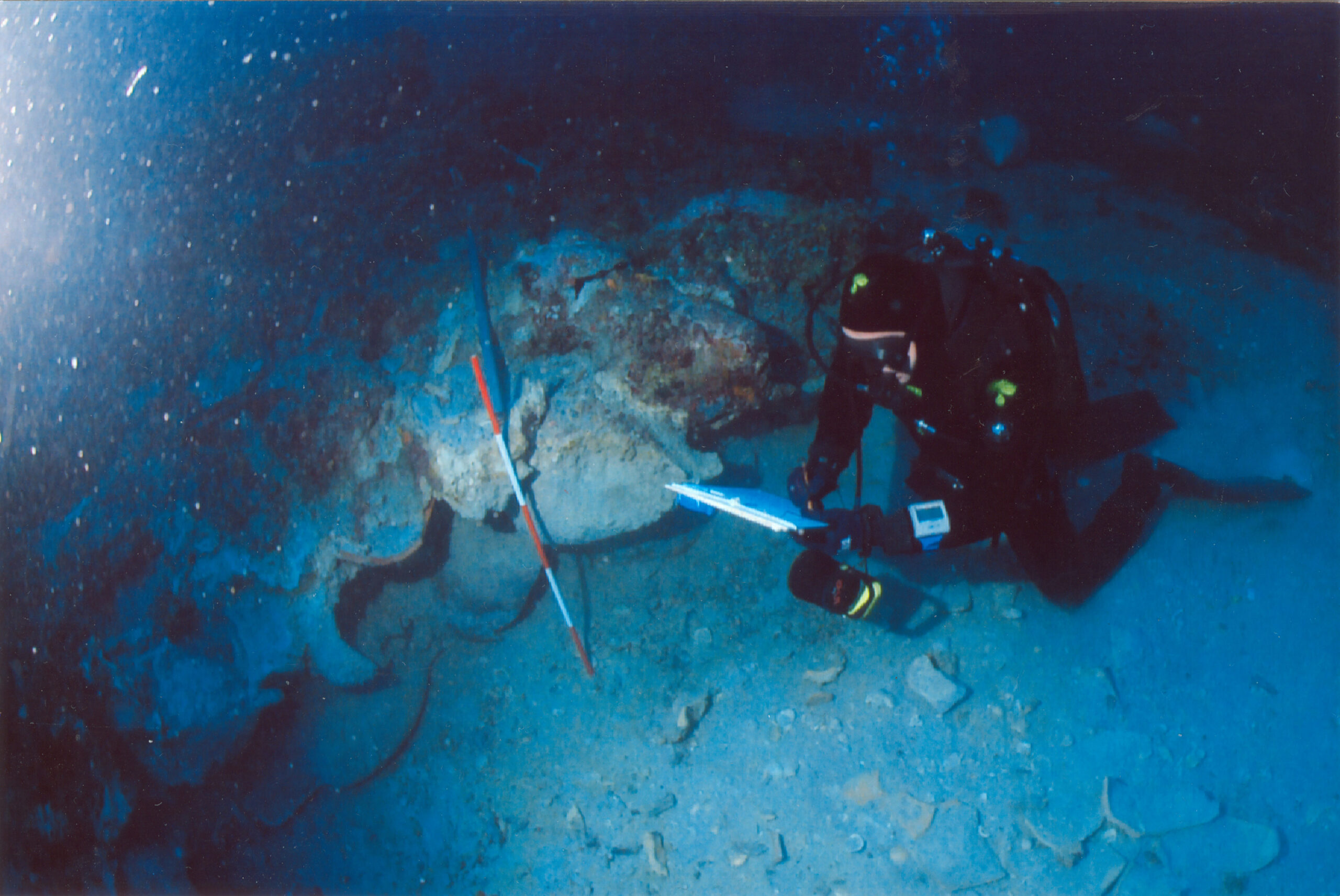
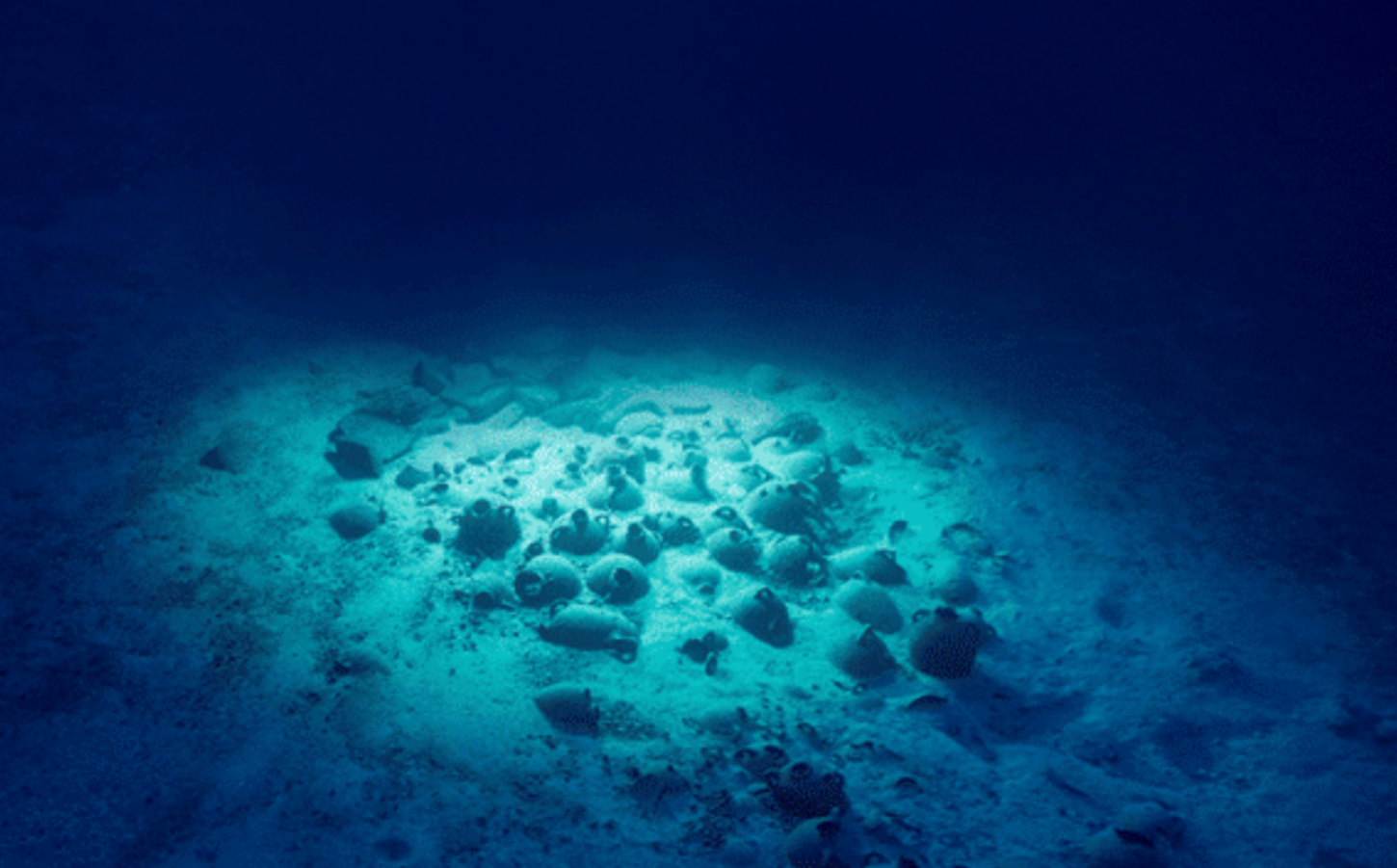
We will focus on some case studies of shipwrecks lying at different depths in the Ionian and Adriatic seas: – –the beached Late Roman Imperial wreck Torre S. Sabina 1, exceptionally preserved (Auriemma, 2017), the Late Republican shipwreck of Torre Sinfonò, off Ugento shore, 50 m deep, consisting of a cargo of amphoras concreted to the bedrock, maybe of hull remains (Auriemma & Silvestrelli, 2013), at low-medium depth. Finally, a deep-sea shipwreck will also be identified in the preliminary phase. The project will provide applications for efficient inspection and analysis of 2D generated content and enable high-resolution 3D models exploitation through the development of immersive applications for scientific and divulgation fruition. Finally, the Extended Reality (XR), which has successfully transitioned from the laboratory environment to mainstream technologies available to almost everyone, will be exploited.
DESCRIPTION OF THE EXPECTED RESULTS
Multi resolutions models creation
Extended reality and immersive visits implementation
Benchmark/workshop/ summer school
Scientific publications, best practices and guidelines
Involvement of the general public
Multi resolutions models creation
The view-dependent resolution of the model allows minimizing requirements in terms of GPU computational power, RAM usage, and bandwidth, while allowing the visualization of large models at their full resolution on a wide range of devices. The submerged sites are explorable only by a small fraction of the population and represent, to date, one of the less accessible environments. Immersive navigation experiences democratize the fruition of this priceless submerged cultural and natural heritage and represent a valuable learning and dissemination practice.
Extended reality and immersive visits implementation
The application of virtual reality, augmented and mixed reality will be exploited to provide 3D reconstructions and immersive virtual tours capable of enabling digital fruition and storytelling of the shipwrecks. These reconstructions could be exploited in Museums, Marine Protected Areas (MPA) visiting centres and all the regional networks of the places of culture, through headsets also directly online. The possibility offered by XR will be analyzed and provided to the final user deploying ad-hoc platforms and tools. The idea is to create applications usable “at home” and “on the field” to improve the knowledge and the dissemination of underwater environments. The applications will be deployed at two main levels: one related to the expert users such as scuba divers, researchers, and technicians, who are able to visualize the models directly in the underwater environment via mobile devices, and one related to other citizens, able to visualize
the underwater environment on the ground via mobile or desktop devices.
Scientific publications, best practices and guidelines
This point relies on disseminating results via scientific papers in open
access journals, annual technical reports, thematic conferences and workshops focused on distinctive aspects related to the request of high-resolution surveys and monitoring in underwater contexts. Concerning the dissemination among the scientific community, a further final
result of the project will propose guidelines and standards for updating future data from other domain experts and sources.
Benchmark/workshop/ summer school
Benchmark data will be available for all future investigations and the scientific community. A summer school on high-resolution 3D surveys in an underwater environment will be organized. Besides optimizing methods and sensors, this project also facilitates the diffusion and applications of marine drones to tangibly solve real problems related to the documentation and study of
underwater cultural assets. Reports including detailed outcomes from the method validation will be released for each investigated case study.
Involvement of the general public
One of the most important outputs will be the project website, the official project brochure
and the videos. Partners will also be required to publish articles in local and national newspapers and keep social media updated with news on project progress. A final effort will be dedicated to external or social communication by arranging open days for stakeholders.