NEWS
ARCHIM3DES
This project aims to study, develop and test innovative archaeometry technologies and methodologies to provide knowledge, high-resolution surveys, monitoring for “in situ” preservation and enhancement for the ancient shipwrecks at different depths. In particular, the ancient shipwrecks from Protohistorical to Mediaeval age are themost challenging underwater archaeological evidence concerning their valorization, documentation, and accessibility. This challengeis mainly due to their position, depth, and vulnerability of the wooden hull, as well as other organic materials of the cargo. The scientific community’s growing interest in surveying and monitoring submerged assets arises from the increasing demand forhigh-resolution products with metric and radiometric contents. It is currently possible to speed up and make more cost-effective archaeologists’ work, guaranteeing at the same time safetyconditions during underwater operations, thanks to the use of underwater photogrammetry and the integration of various types of cameras and sensors installed on remotely operated submarine or surface drones. The underwater heritage is currently the privilege of a few professionals: the technologies developed by the project will thus enable access, fruition, and sharing of archaeological findings and marine landscape through immersive tours and 3D models. The significant impact of the project is undeniable and it can be resumed in:
1. increased comprehensive knowledge and awareness of these archaeological assets, with subsequent “in situ” preservation andcontrol of the underwater archaeological sites concerning shipwrecks, their cargos, and onboard equipment;
2. safety in work operations;
3. wider accessibility, i.e. bringing heritage to a large public thanks to virtual fruition tools, which can enhance and return the underwater heritage to the community.
UNDERWATER ARCHAEOLOGICAL SITES OF SHIPWRECKS
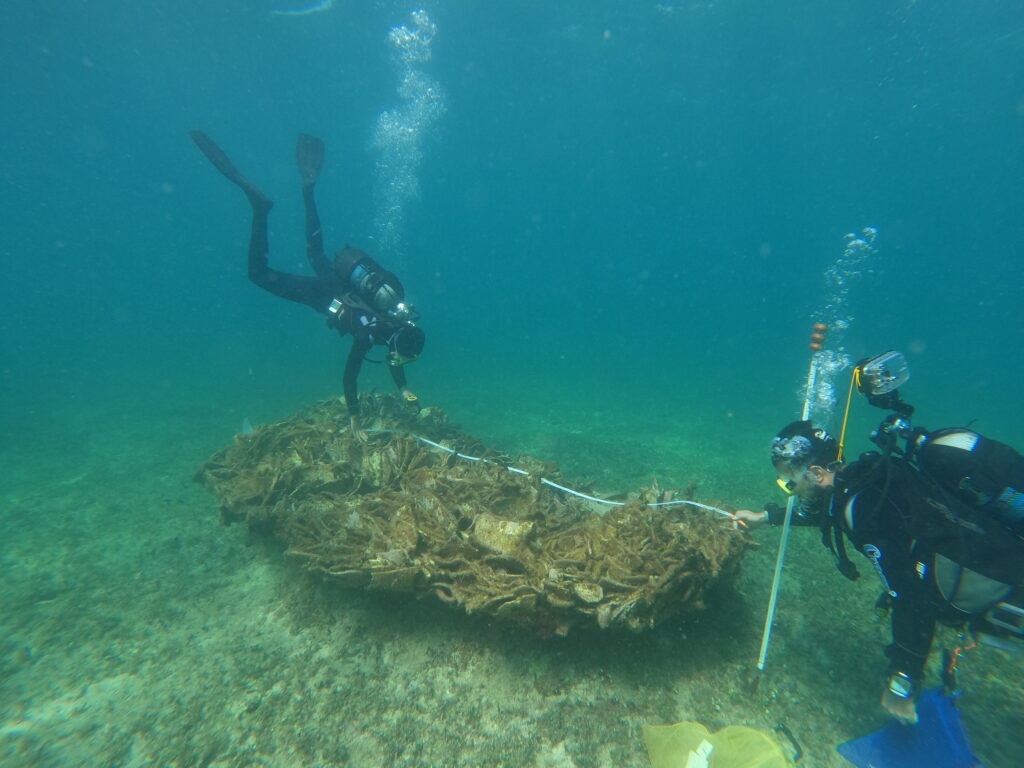
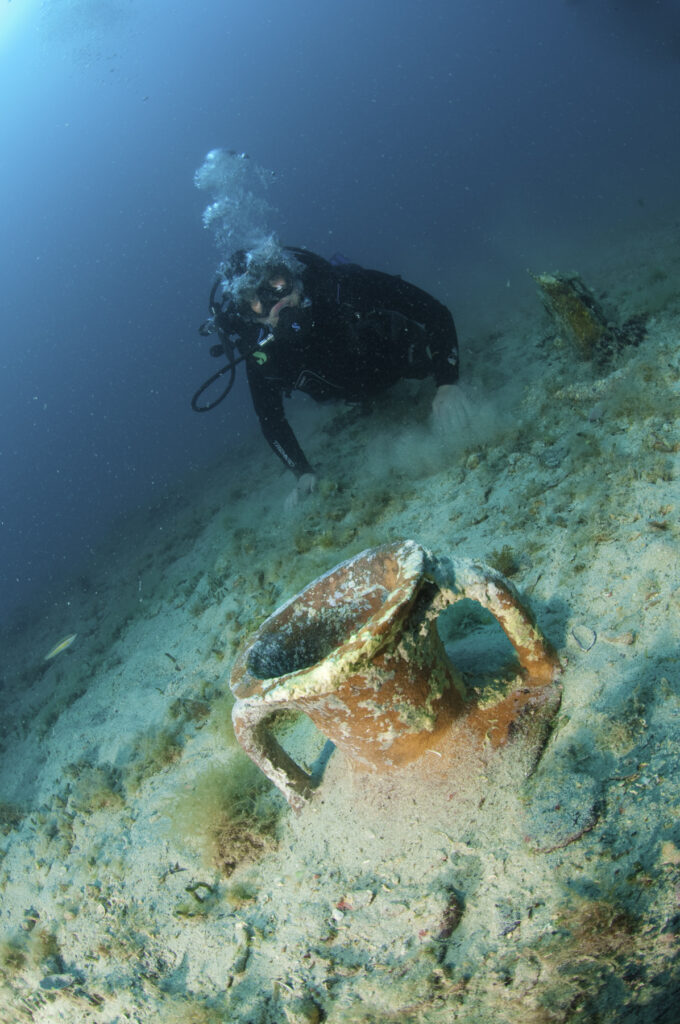
The formation and appearance of underwater archaeological sites of shipwrecks depend on the chemical-physical characteristics of the submerged environment, the nature of the seabed, the presence and characteristics of the cargo, post-depositionalanthropogenic factors, and any faunal disturbances.
Submerged deposits made up of shipwrecks can be divided into three categories:
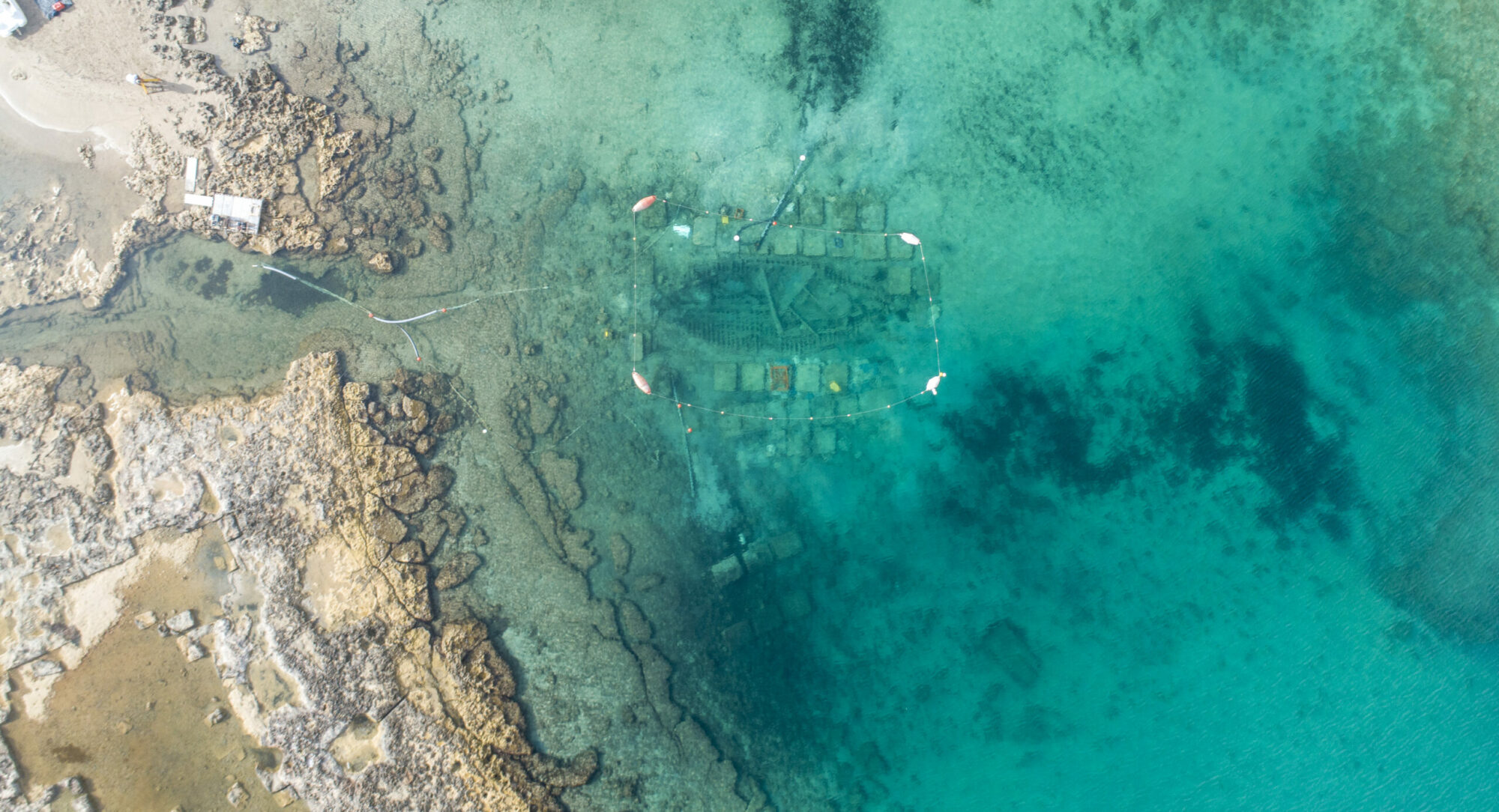
Beached wrecks
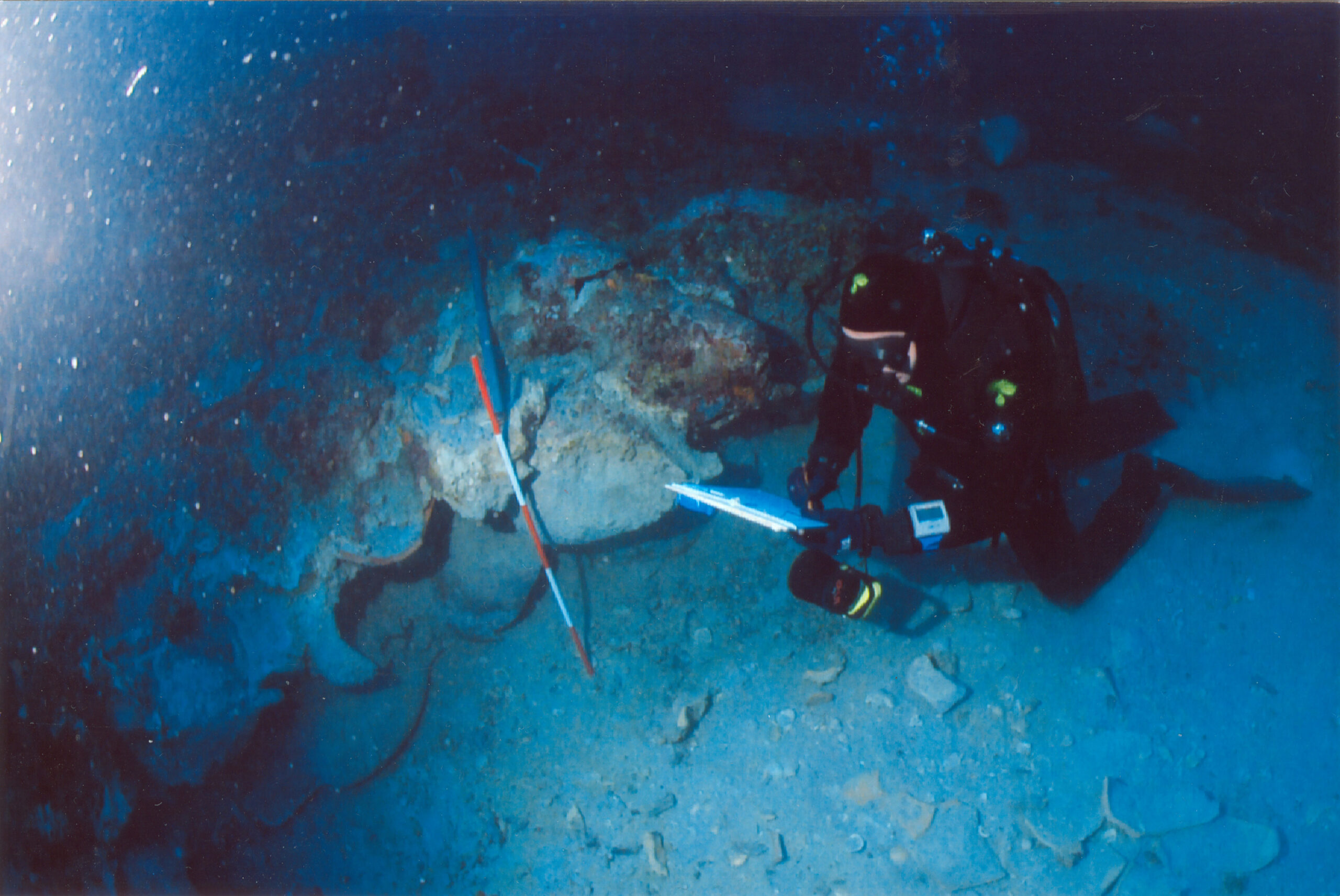
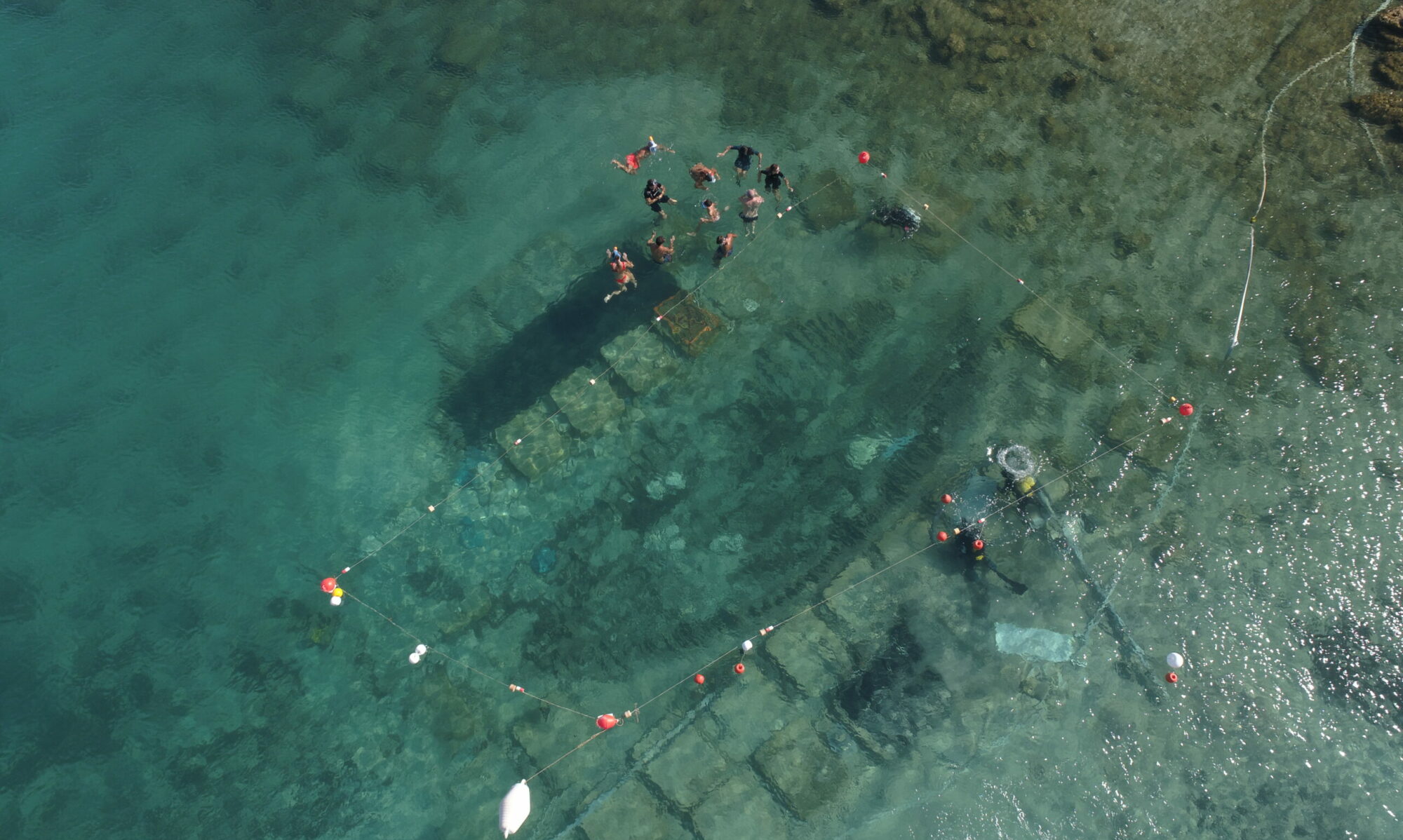
Submerged wrecks at low/medium dept
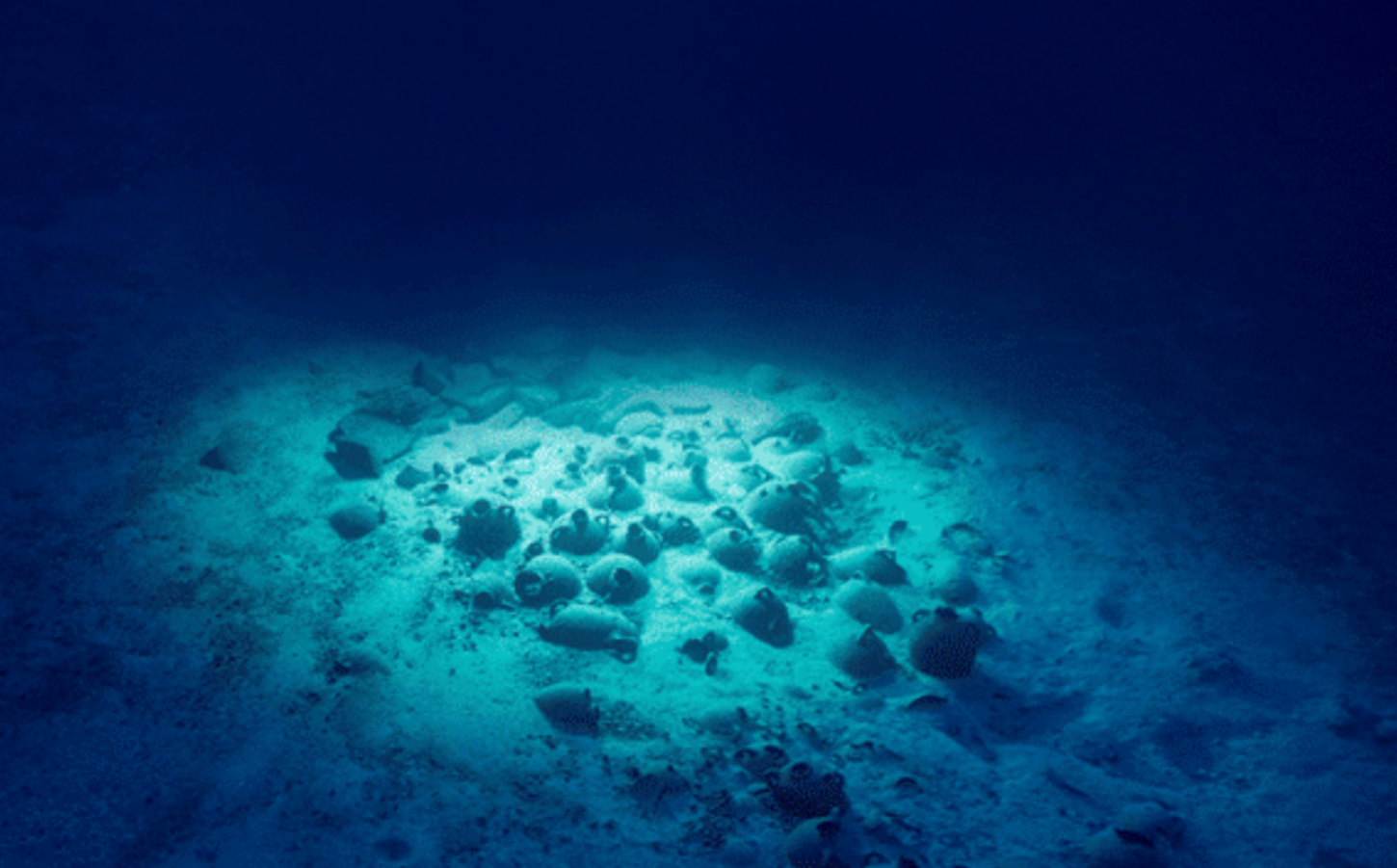
Deep wrecks
CHALLENGES
The challenges faced by the project are complex and multifaceted. Some have already been addressed by different means, but theywill be faced with highly innovative methodologies, techniques, tools and resources throughout the project. Others lie on unchartedground, including setting up innovative approaches, using and re-appropriating cultural content to preserve and transmit thisinvaluable treasure to future generations.
RESULTS
The high-resolution surveying system will be addressed to map, document, and monitor the state of conservation of the underwaterCH represented by shipwrecks.
APPROACH
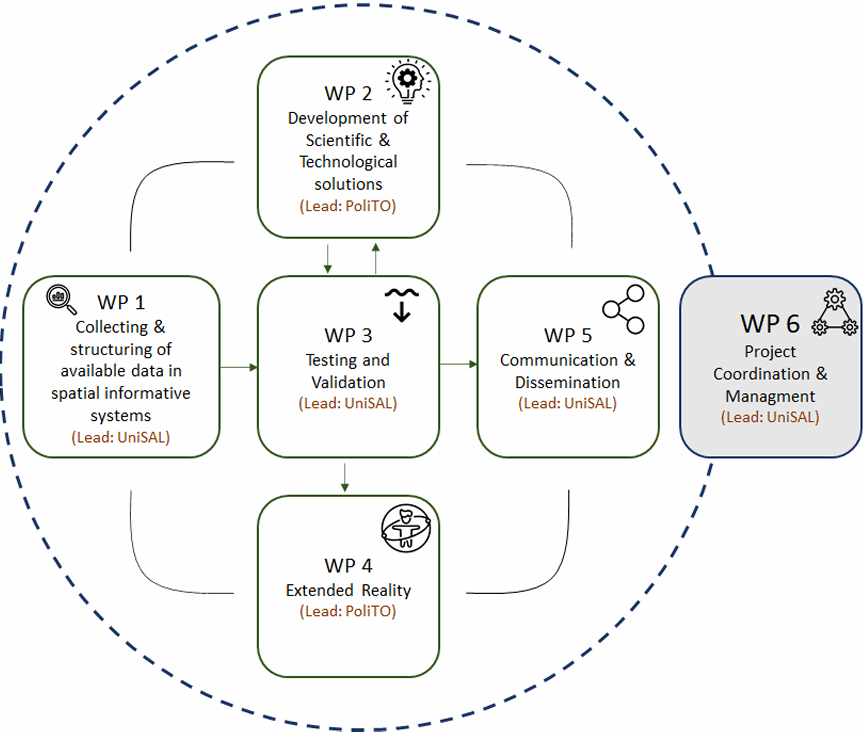
Project development, with identification of the role of each research unit, with regards to related
modalities of integration and collaboration.
CONNECTIONS
ARCHIM3DES fits the main topics identified by the Horizon Europe (HE) Mission area “Healthy oceans, seas, coastal and inland waters”, with particular focus on “Culture, Creativity and Inclusive Society” and “Digital, Industry and Space”; address the Key Strategic Orientation for research and innovation “Industrial leadership in key and emerging technologies that work for people” .
The key aim is to combine research and innovation to acquire new knowledge and empower the blue economy
KNOW US